Foods that make GLP-1 side effects worse (and what to eat instead)
The short answer
Greasy or high-fat meals, large portions, eating fast, sugary foods and drinks, refined carbohydrates, alcohol, and very high-fiber foods in the first days of treatment tend to make GLP-1 side effects worse for many people.12 Not every food bothers everyone. Smaller, more frequent meals and gentler, lower-fat foods are what experts suggest trying first.13
Which foods tend to make GLP-1 side effects worse?
GLP-1 medicines slow how fast your stomach empties.12 That helps you feel full on less food. It also means a heavy meal sits in your stomach longer than it used to, and that can bring on nausea, bloating or reflux.12
A few foods and habits come up again and again when doctors and dietitians talk about stomach trouble on these medicines.123 This is not a list of forbidden foods. Not every item bothers every person, and it can take time to learn what affects you.2 Here is the short version:
- Greasy or high-fat meals, especially fried food and rich sauces
- Large portions, and eating past comfortably full
- Eating fast
- Sugary foods and drinks, and refined carbohydrates
- Very high-fiber foods, in the first days of treatment or right after a dose
- Alcohol
- Very spicy food, for some people
Do greasy and high-fat foods make GLP-1 side effects worse?
For many people, yes. Fat leaves the stomach slowly, and a GLP-1 slows the stomach even more. The 2025 joint advisory says foods high in fat can slow stomach emptying further, which can make constipation worse, and that avoiding large or high-fat meals can help with diarrhea.1
A Cleveland Clinic dietitian describes the same thing in plain terms: greasy, high-fat food stays in your stomach longer, so indigestion, nausea, vomiting or heartburn become more likely.6 Mayo Clinic's tips for nausea say to skip high-fat, rich meals such as fried foods, and foods with strong smells.3 Cleveland Clinic names pizza and fried chicken as common examples.2
The advice is about big, high-fat meals, not about removing all fat. If you are unsure how much fat is right for you, a registered dietitian can help.
Are large portions a problem on a GLP-1?
Often, yes. The advisory says vomiting is more likely with large meals.1 A Cleveland Clinic endocrinologist explains why: your stomach empties more slowly and does not hold what it used to, so eating too much can bring on nausea and a lot of reflux.2
What helps is smaller meals, more often. For nausea, the advisory suggests a small breakfast, then small meals about every 3 to 4 hours, with plenty of fluids.1
Skipping meals is not the fix. The advisory lists long gaps without eating as something to minimize. It also notes that waiting until you are overly hungry can push you toward sugary, refined foods.1
Does eating fast make side effects worse?
It can. Cleveland Clinic's endocrinologist says what you eat, how much you eat and how quickly you eat all affect how you feel on a GLP-1.2 It can take your brain up to 30 minutes to register that you are full. With a smaller stomach, a fast eater can pass "enough" before noticing.2
Pacing yourself, for example by eating mindfully, can keep you from eating so much that it brings on symptoms.2 Mayo Clinic's tips for both nausea and heartburn include eating more slowly. Mayo also says not to lie down after a meal, and Cleveland Clinic suggests staying upright for 30 minutes afterward.32
Do sugary foods and refined carbs make GLP-1 side effects worse?
They show up on most lists, for two reasons.
First, Cleveland Clinic lists sugary foods and drinks (juice, soda, candy and desserts) and refined carbohydrates (white bread, pasta and white rice) among the foods known to worsen GLP-1 side effects for some people.2 A Cleveland Clinic dietitian adds that sugary drinks can upset the stomach.6
Second, the 2025 advisory counsels people to avoid refined carbohydrates (refined grains, flour, starches and sugars) and sugar-sweetened drinks. That advice sits in its section on getting enough nutrients on a smaller appetite. When you eat less, it wants more of what you do eat to be fruits, vegetables, whole grains, beans, lean protein, nuts and seeds.1
The advisory adds one more wrinkle. Nausea can make comfort foods with sugar and white flour sound good, and going too long without eating can strengthen that pull.1 For a fuller picture of building plates, see what to eat on a GLP-1.
Should I avoid high-fiber foods on a GLP-1?
Only for a short window, and only if your stomach is unhappy. The advisory says avoiding fatty or high-fiber foods during the first few days of treatment can ease nausea.1 Cleveland Clinic's endocrinologist says it is often best to go easy on high-fiber foods right after your dose, especially if you already feel bloated or full.2 That is one reason shot-day meals lean soft and mild.
Fiber is not the enemy. Constipation is common on these medicines, and the advisory says fluids and fiber from food should be encouraged, added gradually.1 Mayo Clinic suggests adding fiber slowly over a few weeks.3
Is alcohol a problem on a GLP-1?
It can be. The advisory says alcohol may worsen nausea and acid reflux on a GLP-1 and should be minimized.1 Mayo Clinic lists alcohol among the drinks that can worsen reflux, along with caffeine.3 Cleveland Clinic also warns that alcohol and caffeine can dehydrate you.6
If you also take insulin or a sulfonylurea, the Wegovy and Zepbound labels warn of a higher risk of low blood sugar with those medicines.45 Ask your prescriber what that means for alcohol.
What about spicy food?
Some people find it sets off symptoms. Cleveland Clinic lists spicy foods such as hot sauce and chili peppers among the foods to limit or avoid if they bother you.2 Mayo Clinic lists spicy foods among the things that can worsen reflux.3 If heat gives you heartburn, turn it down. Lemon, garlic and herbs add flavor without the burn.
What can I eat instead?
Change one thing at a time, since it takes a while to learn what bothers you.2 Recipe numbers below come from the Post Dose recipe pages. "Gentle" means mild, soft and easy on the stomach.
| Instead of | Try |
|---|---|
| Fried chicken or cheese pizza | Creamy Tomato Chicken Penne: 43 g protein, 9 g fat, gentle |
| A big fry-up breakfast | Cottage Cheese Bowl & Warm Peaches: 34 g protein, 10 g fat, gentle |
| Battered, deep-fried fish | Spanish Cod and Potato Stew: 39 g protein, 7 g fat, gentle. Or Lemon Garlic Cod & Green Beans: 46 g protein, 16 g fat, once your stomach feels settled |
| Soda, juice or sweet coffee drinks | Water sipped through the day, or unsweetened ginger tea23 |
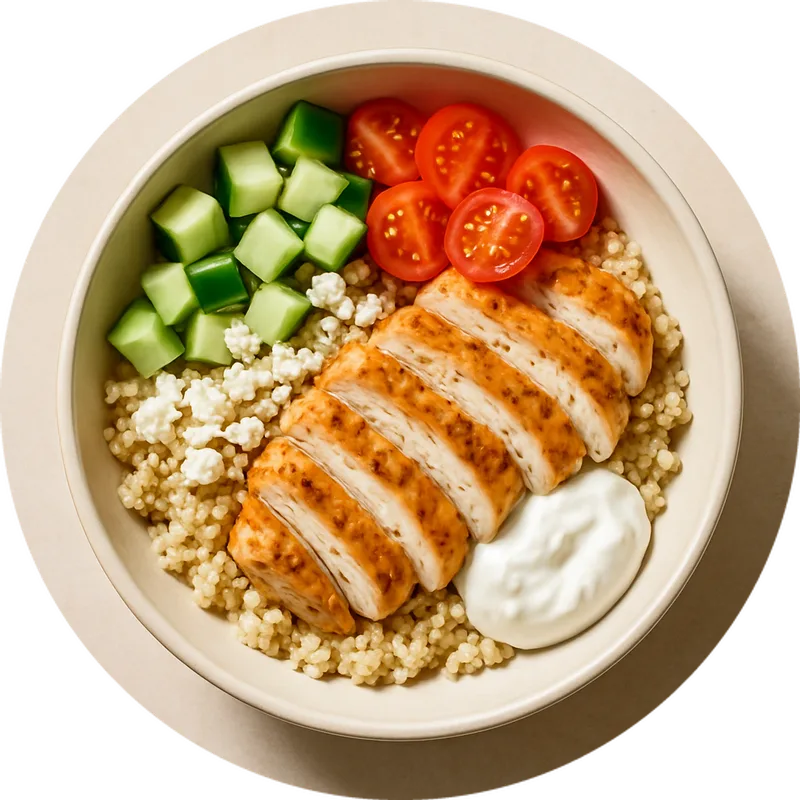
| White bread, white rice or sweet cereal as the meal | A whole grain with protein, like Lemon Herb Chicken & Quinoa Bowl: 45 g protein, 12 g fat, 5 g fiber, gentle |
| Chips, cookies and packaged snacks | Plain Greek yogurt or cottage cheese with fruit |
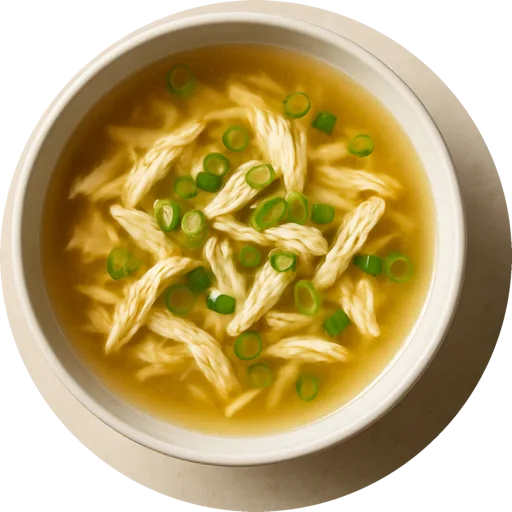
| A very high-fiber meal right after your dose | Lemon Chicken Orzo Soup: 49 g protein, 6 g fat, 3 g fiber, gentle |
| A big plate you finish out of habit | The same food on a smaller plate, then a second small meal 3 to 4 hours later1 |
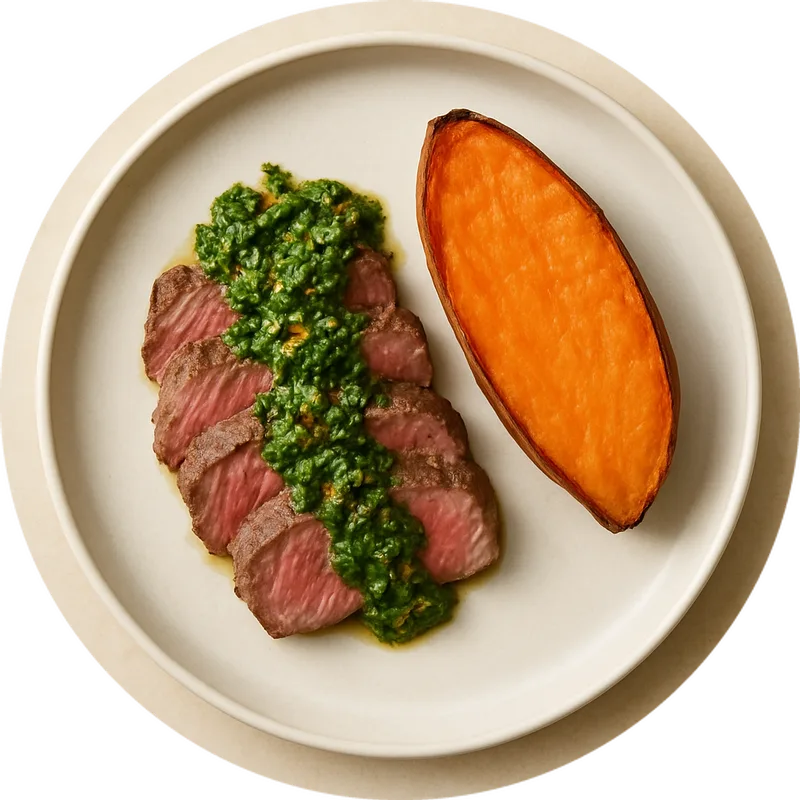
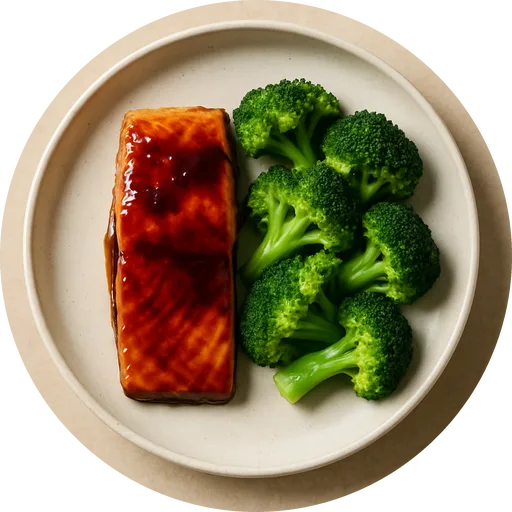
Three more gentle, lower-fat picks to start with:
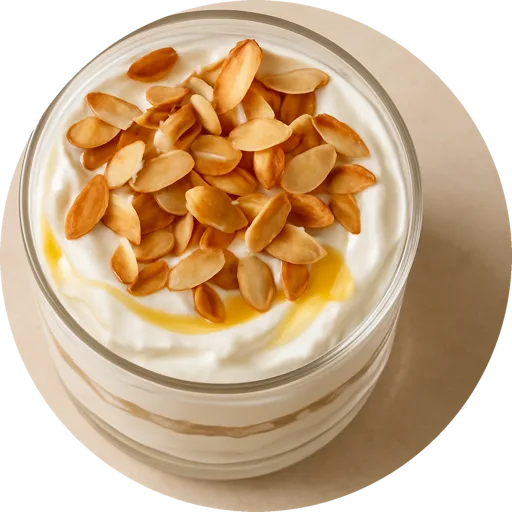
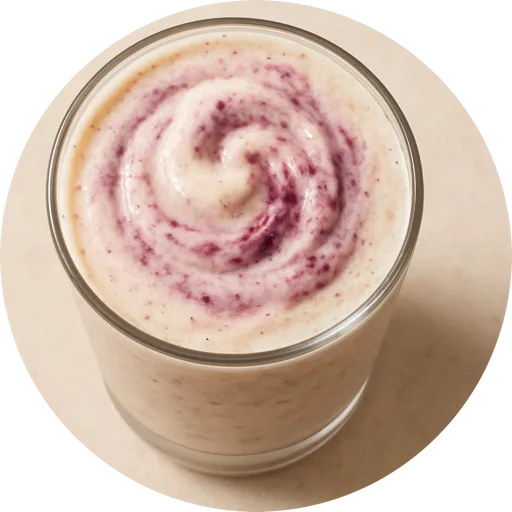
When should I call my prescriber?
Most stomach side effects are mild and ease as your body adjusts. This is general information, not medical advice, and your prescriber knows your history. The Wegovy and Zepbound labels name some symptoms that need a call:
- Nausea, vomiting or diarrhea that does not go away. Losing fluids can lead to dehydration and kidney problems, so the labels say to tell your provider right away.45
- Stomach problems that are severe or will not go away.45
- Severe pain in your stomach area that will not go away, with or without nausea or vomiting, sometimes moving to your back. The labels link this to pancreatitis and say to call right away.45
- Gallbladder warning signs: pain in your upper stomach, fever, yellow skin or eyes, or clay-colored stools.45
Mayo Clinic adds that if symptoms are severe, last several days, or you cannot drink fluids or eat, you should contact your doctor right away.3
The bottom line
Greasy meals, big portions, eating fast, sugar and refined carbs, alcohol, and a fiber push right after a dose are the usual suspects. Smaller, regular, lower-fat meals eaten slowly are the usual fix.12 Post Dose plans the days right after your shot around smaller, gentler meals, but the same ideas work with any plan. Talk to your prescriber or a registered dietitian about what fits you.
Questions people ask
What foods should I avoid on Ozempic, Wegovy or Zepbound?
There is no official banned list. The foods and habits most often linked to worse symptoms are greasy or high-fat meals, large portions, eating fast, sugary foods and drinks, refined carbohydrates, alcohol, and very high-fiber foods right after a dose, according to the 2025 joint advisory and Cleveland Clinic. Spicy food bothers some people too. A prescriber or registered dietitian can help you sort out which ones matter for you.
Why does greasy food make me feel sick on a GLP-1?
These medicines slow how fast your stomach empties, and fat slows it even more. A Cleveland Clinic dietitian explains that greasy food then sits in your stomach longer, which can bring on indigestion, nausea, vomiting or heartburn. Cleveland Clinic and Mayo Clinic both suggest smaller meals, and Mayo adds skipping high-fat, rich meals, when nausea strikes.
Do I have to give up pizza or fried food for good?
Neither the Wegovy nor the Zepbound label bans any food. Cleveland Clinic says it depends on how your body reacts, and that you may need to tweak what you eat if you have stomach side effects. Smaller portions eaten more slowly are two of the steps Cleveland Clinic recommends.
Is it safe to drink alcohol on a GLP-1?
The 2025 advisory says alcohol can worsen nausea and acid reflux on a GLP-1 and should be kept to a minimum. If you also take insulin or a sulfonylurea, the Wegovy and Zepbound labels warn about a higher risk of low blood sugar, so ask your prescriber what that means for you.
Sources
- Mozaffarian D, et al. Nutritional priorities to support GLP-1 therapy for obesity: a joint advisory from the American College of Lifestyle Medicine, the American Society for Nutrition, the Obesity Medicine Association and The Obesity Society. Obesity, 2025. doi.org/10.1002/oby.24336
- Cleveland Clinic. How To Manage the Digestive Side Effects of GLP-1 Medications. September 9, 2026. health.clevelandclinic.org/how-to-manage-glp-1-side-effects
- The Mayo Clinic Diet. Managing common side effects from weight-loss drugs. September 25, 2024. diet.mayoclinic.org/us/blog/2024/managing-common-side-effects-from-weight-loss-drugs/
- U.S. Food and Drug Administration. WEGOVY (semaglutide) prescribing information and Medication Guide. Revised 05/2026. www.accessdata.fda.gov/drugsatfda_docs/label/2026/215256s031lbl218316s003lbl.pdf
- U.S. Food and Drug Administration, via DailyMed. ZEPBOUND (tirzepatide) prescribing information and Medication Guide. dailymed.nlm.nih.gov/dailymed/lookup.cfm?setid=487cd7e7-434c-4925-99fa-aa80b1cc776b
- Cleveland Clinic. Avoid These Foods While Taking Ozempic. August 5, 2024. health.clevelandclinic.org/ozempic-foods-to-avoid
Post Dose is a meal planner, not medical advice. Your prescriber sets your dose and your plan. Talk to them or a registered dietitian before you change how you eat.