How much protein do you need on a GLP-1?
The short answer
Expert groups suggest 1.2 to 1.6 grams of protein per kilogram of body weight a day while you are actively losing weight on a GLP-1, or a simpler target of 80 to 120 grams a day for most adults.1 Base it on your goal weight, not your current weight, and split it across your meals so no single plate has to carry it all.
Why protein matters more on a GLP-1
A GLP-1 makes you less hungry, so you eat less of everything. That is how the weight comes off. The catch is that some of what you lose is not fat.
In the tirzepatide (Zepbound, Mounjaro) trial, people who had full body scans lost about three pounds of fat for every one pound of lean mass.2 A review that pooled the trials of these medicines found the same pattern: roughly a quarter of the weight lost was lean mass.3 Lean mass includes muscle, and muscle is what keeps you strong, steady on your feet and burning energy at rest.
The two things that help you keep it are the ones experts name first: enough protein and strength training.1
The number: 1.2 to 1.6 grams per kilogram
The everyday recommendation for adults is 0.8 grams of protein per kilogram of body weight. During active weight loss, a 2025 joint advisory from four obesity and nutrition societies says higher targets of 1.2 to 1.6 grams per kilogram a day have been proposed.1
The same advisory offers a simpler version: an absolute target of 80 to 120 grams a day, which it says may be easier to stick to.1
Here is what the range looks like at a few goal weights:
| Goal weight | Daily protein range | Per meal (3 meals) |
|---|---|---|
| 130 lb (59 kg) | 70 to 95 g | about 25 to 30 g |
| 150 lb (68 kg) | 80 to 110 g | about 27 to 36 g |
| 170 lb (77 kg) | 90 to 125 g | about 30 to 40 g |
| 190 lb (86 kg) | 105 to 140 g | about 35 to 45 g |
Use your goal weight, not your current weight
If you weigh 230 pounds today, 1.6 grams per kilogram of your current weight comes out to about 167 grams a day. That is a lot of food for anyone, and far more than most people on a GLP-1 can eat.
The advisory points out that using actual body weight "can significantly overestimate protein requirements" when someone carries extra body fat.1 Basing the math on your goal weight gives a number that is closer to what your body needs and one you can actually hit.
Most people on a GLP-1 fall short
A small 2025 conference report looked at what 60 adults on GLP-1 medicines actually ate. Only 43% reached 1.2 grams per kilogram a day, and just 10% reached 1.6.4 When your appetite is small, protein is the first thing to slip, because the foods that sound good on a hard day (toast, crackers, soup broth) carry very little of it.
How to hit your number when you are barely hungry
Eat the protein first. Start each plate with the chicken, fish, eggs, yogurt or tofu. If you fill up halfway through, the part you skipped is the side, not the protein.
Spread it out. Three meals of 25 to 40 grams beat one big dinner you cannot finish. The advisory also suggests smaller, more frequent meals when nausea is a problem.1
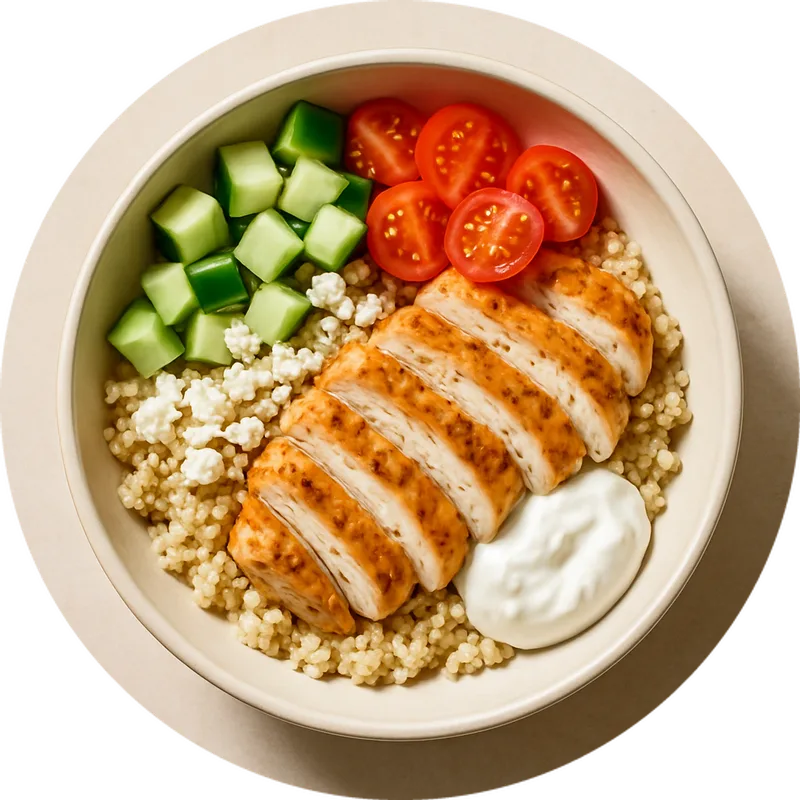
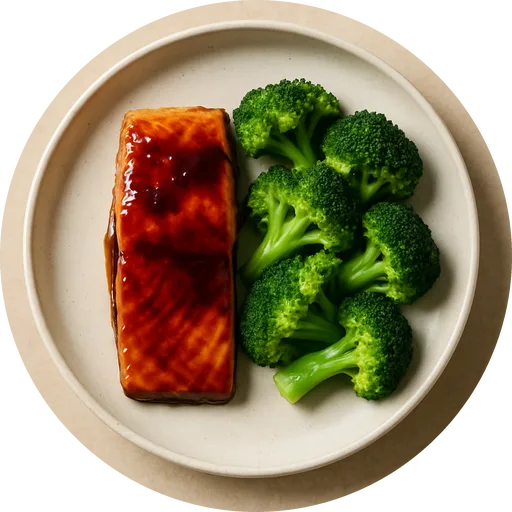
Pick foods with more protein per bite. Greek yogurt, cottage cheese, eggs, chicken breast, salmon, shrimp, tuna, tofu, edamame and lentils carry a lot of protein for their size.
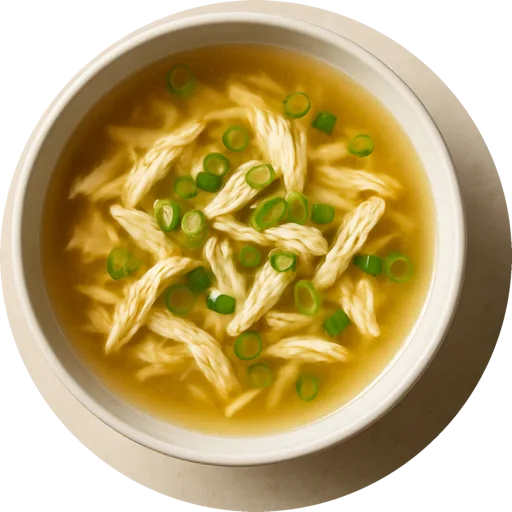
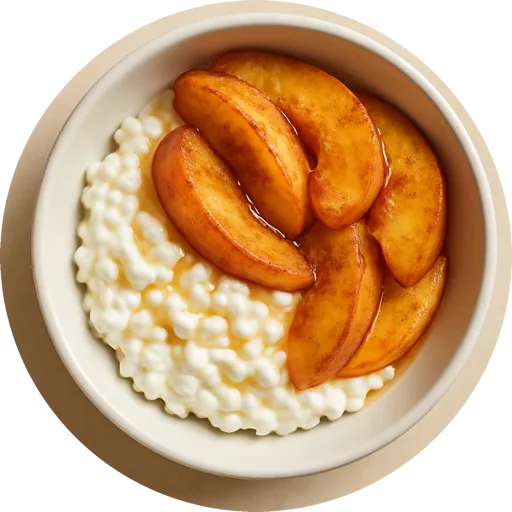
Go gentle on shot days. The days right after your shot are often the hardest to eat. Soft, mild foods like a ginger chicken soup or warm cottage cheese still carry 30 to 50 grams.
Keep a backup. A protein shake or a cup of Greek yogurt can close a gap at night without a full meal.
Pair it with strength training
Protein works best when your muscles have a reason to keep it. The advisory recommends strength training at least three times a week plus at least 150 minutes of moderate activity like brisk walking.1 It also notes that walking and other aerobic exercise alone does less to protect lean mass during fast weight loss.1
You do not need a gym. Body weight squats, wall push-ups and resistance bands count. Ask your clinician what is safe for you.
What this looks like in a real day
For a 170 pound goal weight (about 77 kg), the target is roughly 90 to 125 grams. One easy day from the Post Dose recipes:
- Breakfast: cottage cheese with warm peaches, 34 g
- Lunch: white bean and rosemary chicken soup, 44 g
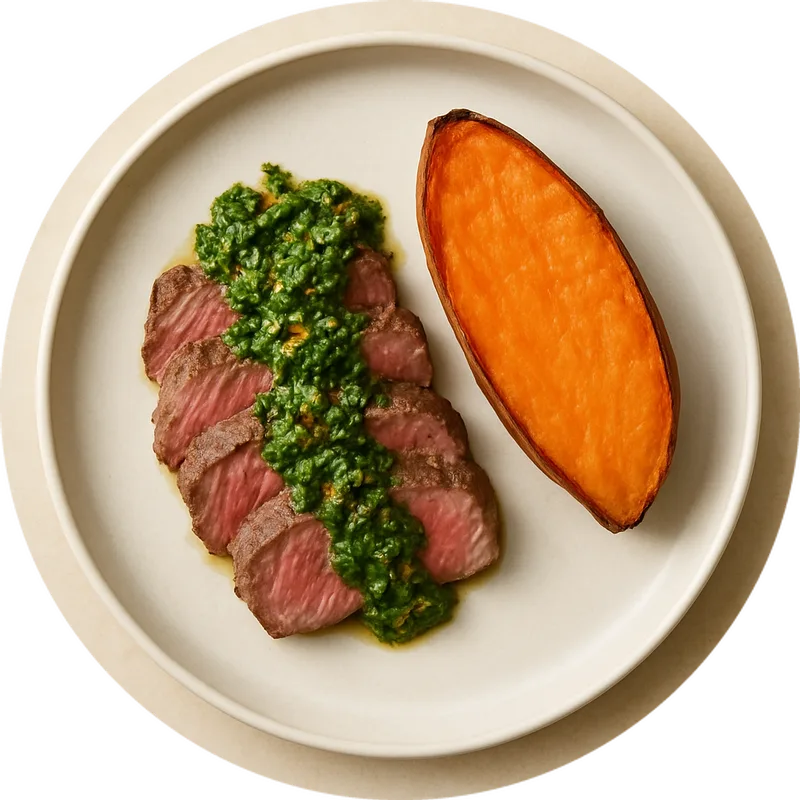
- Dinner: steak with chimichurri and sweet potato, 41 g
That is 119 grams across about 1,160 calories, without a single shake, and none of the plates are big.
The bottom line
Aim for 1.2 to 1.6 grams of protein per kilogram of your goal weight each day, or 80 to 120 grams if you want one simple number. Eat the protein first, spread it over the day, go gentle after your shot and add strength training. Check your exact range with the protein calculator, and talk to your prescriber or a dietitian if you have kidney disease or another condition that changes your needs.
Questions people ask
Is 100 grams of protein a day enough on Ozempic?
For many adults, yes. 100 grams sits in the middle of the 80 to 120 gram range the 2025 joint advisory gives as a simple target during weight loss on a GLP-1. If your goal weight is high or you lift weights, your number may be higher. Use your goal weight in kilograms times 1.2 to 1.6 to check.
Should I use my current weight or my goal weight?
The 2025 advisory warns that using your actual weight can overestimate how much protein you need when you carry extra body fat. Using your goal weight is a common, simpler fix, and it is how the Post Dose app sets your number.
Can I just drink protein shakes?
Shakes help on low-appetite days because liquid is easier to get down. Most people do better using them to fill a gap rather than replace meals, since whole food brings fiber and other nutrients the advisory also flags as easy to miss on a GLP-1.
Is too much protein a problem?
The advisory notes that very high intakes held for a long time are not advised, and people with kidney disease need their own clinician's guidance on protein. Staying inside 1.2 to 1.6 grams per kilogram is a sensible ceiling unless your care team says otherwise.
Sources
- Mozaffarian D, et al. Nutritional priorities to support GLP-1 therapy for obesity: a joint advisory from the American College of Lifestyle Medicine, the American Society for Nutrition, the Obesity Medicine Association and The Obesity Society. Obesity, 2025. doi.org/10.1002/oby.24336
- Look M, et al. Body composition changes during weight reduction with tirzepatide in the SURMOUNT-1 study. Diabetes, Obesity and Metabolism, 2025. doi.org/10.1111/dom.16275
- Karakasis P, et al. Effect of GLP-1 receptor agonists and co-agonists on body composition: systematic review and network meta-analysis. Metabolism, 2025. doi.org/10.1016/j.metabol.2024.156113
- Johnson B, et al. Suboptimal protein intake for hypocaloric diet needs while using glucagon-like peptide-1 receptor agonists. Journal of the International Society of Sports Nutrition, 2025. doi.org/10.1080/15502783.2025.2550139
Post Dose is a meal planner, not medical advice. Your prescriber sets your dose and your plan. Talk to them or a registered dietitian before you change how you eat.