Do you lose muscle on a GLP-1? What the studies show
The short answer
Yes, some. In body-scan studies, about a quarter of the weight lost on a GLP-1 was lean mass,2 and 38% in one semaglutide trial.1 But lean mass is not all muscle. It also counts water, organs, ligaments and tendons.4 People who lose weight with diet and activity advice alone lose lean mass too.2 Enough protein and regular strength training are what experts name to help protect muscle.1
Do you lose muscle on a GLP-1?
Yes, some. Most of the weight lost on a GLP-1 medicine is fat, but part of it is lean mass, and part of that lean mass is muscle.1 The same is true of other ways of losing a lot of weight, not only these medicines.12
That does not mean the drug is picking on your muscle. The body gives up some lean tissue whenever a lot of weight comes off. How much depends on how far and how fast the weight drops, how much you eat, and whether you do strength training.1
How much of the weight lost on a GLP-1 is lean mass?
In the trials that used body scans, about a quarter to 38% of the weight lost was lean mass, and the rest was fat.12 A 2025 review that pooled 22 randomized trials of GLP-1 medicines also found that lean mass was about a quarter of the weight lost.3
The scan is called DXA (dual-energy X-ray absorptiometry). It splits the body into fat, bone and lean mass. Two large trials ran DXA scans on a small group of their participants. STEP 1 tested semaglutide (Wegovy, Ozempic) in 1,961 adults for 68 weeks.7 SURMOUNT-1 tested tirzepatide (Zepbound, Mounjaro) in 2,539 adults for 72 weeks.8
- SURMOUNT-1: 160 people had scans at the start and at week 72, 124 on tirzepatide and 36 on placebo. On tirzepatide, fat mass fell 33.9% and lean mass fell 10.9%. About 74% of the weight lost was fat and 26% was lean mass.2
- STEP 1: The 2025 advisory reports that of an average 13.6 kg (about 30 lb) lost, 8.3 kg (62%) was fat and 5.3 kg (38%) was lean mass.1 A separate report on the STEP 1 scans (140 people) found that lean mass fell 9.7% while fat fell 19.3%. Because fat fell more, lean mass made up a slightly larger share of the body at the end, up 3 percentage points.5
Here is how the numbers line up:
| Study | Medicine | Length | Lean share of weight lost |
|---|---|---|---|
| SURMOUNT-1 body scans, tirzepatide group (124 people)2 | Tirzepatide (Zepbound, Mounjaro) | 72 weeks | 26% |
| SURMOUNT-1 body scans, placebo group (36 people)2 | None (diet and activity advice only) | 72 weeks | 25% |
| STEP 1 body scans, as reported in the 2025 advisory1 | Semaglutide (Wegovy, Ozempic) | 68 weeks | 38% |
| Pooled review of 22 trials3 | GLP-1 medicines combined | Varies | About 25% |
Read this table with care. These were different studies with different people, medicines and scanners, so it is not a head-to-head race. The scan groups were small, and both trials were paid for by the companies that make the medicines.78 The pooled review also found that semaglutide and tirzepatide, at full doses, were the most effective for weight loss but among the least effective at preserving lean mass.3 The advisory notes that losses of fat, lean mass and muscle all rise with the total weight lost.1
Is lean mass the same as muscle?
No. Lean mass is everything in the body that is not fat or bone, so it includes muscle, organs, ligaments, tendons and water.24 Muscle is only one part, so the muscle you lose is smaller than the lean mass number on a scan.4
The advisory puts a number on it. Muscle is about half of lean body mass, so the 38% lean share in STEP 1 works out to about 20% of the total weight lost being muscle.1 That is roughly 2 pounds of every 10 pounds lost. Modeling data in the same advisory suggest muscle is 10% to 15% of the weight lost in women and 20% to 25% in men when there is no structured strength training.1
A 2024 review shows why lean mass and muscle are not the same thing. It describes an MRI study of women on a low-calorie diet. By the researchers' estimate, about 60% of the lean mass they lost came from skeletal muscle and about 7% from the kidneys, heart and liver. The rest came from the lean part of fat tissue, the gut, skin and other places. Most of the muscle loss was water, not protein.4 The authors say these shares can differ with other ways of losing weight, and that muscle still matters for strength and health.4
Is it different from losing weight without a GLP-1?
Not by much, in the studies we have. In the SURMOUNT-1 body scans, the placebo group got diet and activity advice and also lost weight. About 75% of what they lost was fat and 25% was lean mass, nearly the same split as the tirzepatide group.2 The 2025 advisory says the changes are similar to those seen with other approaches that cause large weight loss, such as weight-loss surgery and very low-calorie diets.1
The difference is the amount. In the scan group, people on tirzepatide lost 21.3% of their body weight and their lean mass fell 10.9%. On placebo, they lost 5.3% and lean mass fell 2.6%.2 The split was alike, but the total was bigger.
Why does muscle matter more as you get older?
Muscle already declines slowly with age, so there may be less to spare. The SURMOUNT-1 authors call this a natural part of aging that can raise the risk of sarcopenia.2 Sarcopenia is a muscle disease marked by low muscle strength, and it is more common in older adults.9 The advisory adds that low muscle and bone mass can lead to falls, fractures and disability.1
When a small appetite pulls protein intake down, the advisory says the risk of muscle loss is higher for people who are older, in or near menopause, low in testosterone, inactive, or not doing strength work.1 It suggests that clinicians check sarcopenia risk before starting a GLP-1, so it is fair to bring it up with your prescriber.1
Here is some encouraging news. In SURMOUNT-1, tirzepatide was not tied to a proportionally greater loss of lean tissue in people 65 and over, though that group was small.2 And in a one-year trial of 107 adults aged 65 and older with obesity (no GLP-1 medicine), those who combined diet with exercise lost less lean mass than those who only dieted, about 3% versus 5%, and improved their physical function more.6
What helps protect your muscle on a GLP-1?
Two things have the most support: enough protein and regular strength training. Check with your clinician before starting a new exercise routine, especially if you have been inactive or have a health condition.
Protein. The usual adult allowance is 0.8 grams per kilogram of body weight a day. During active weight loss, the advisory says higher targets of 1.2 to 1.6 grams per kilogram have been proposed. It also offers a simple target of 80 to 120 grams a day.1 Our guide on how much protein you need on a GLP-1 shows how to find your number.
Strength training. The advisory recommends strength training at least three times a week plus at least 150 minutes of moderate aerobic exercise a week, matched to your fitness level.1 It says strength or mixed training is well established for preserving lean mass, while aerobic exercise alone has a smaller effect during rapid weight loss.1 The SURMOUNT-1 participants were told to be active 150 minutes a week but were not given a strength plan, so their scans do not show what strength work can add.2
What does a high-protein plate look like when you are barely hungry?
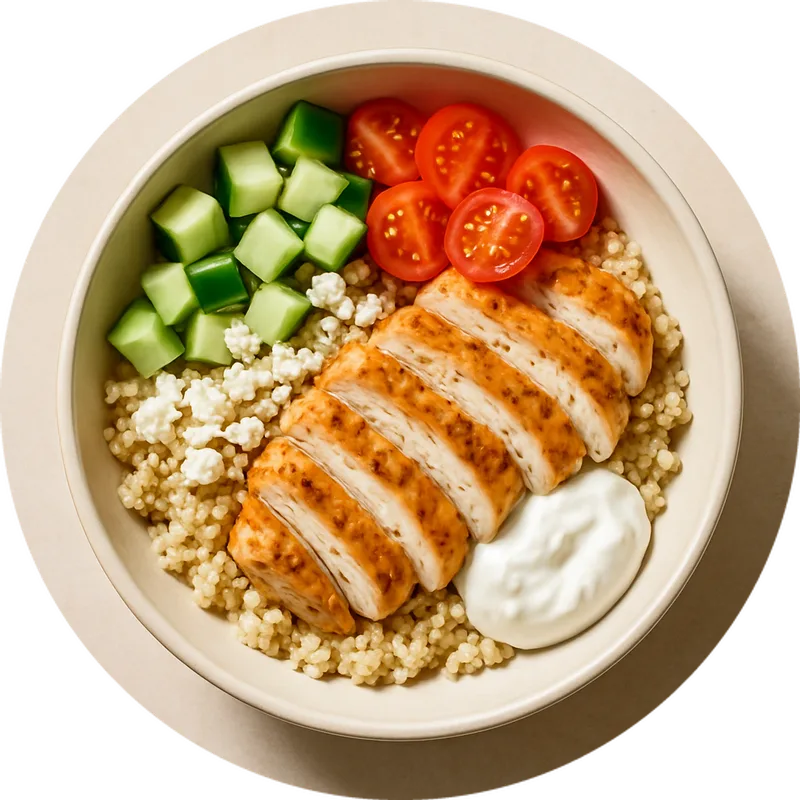
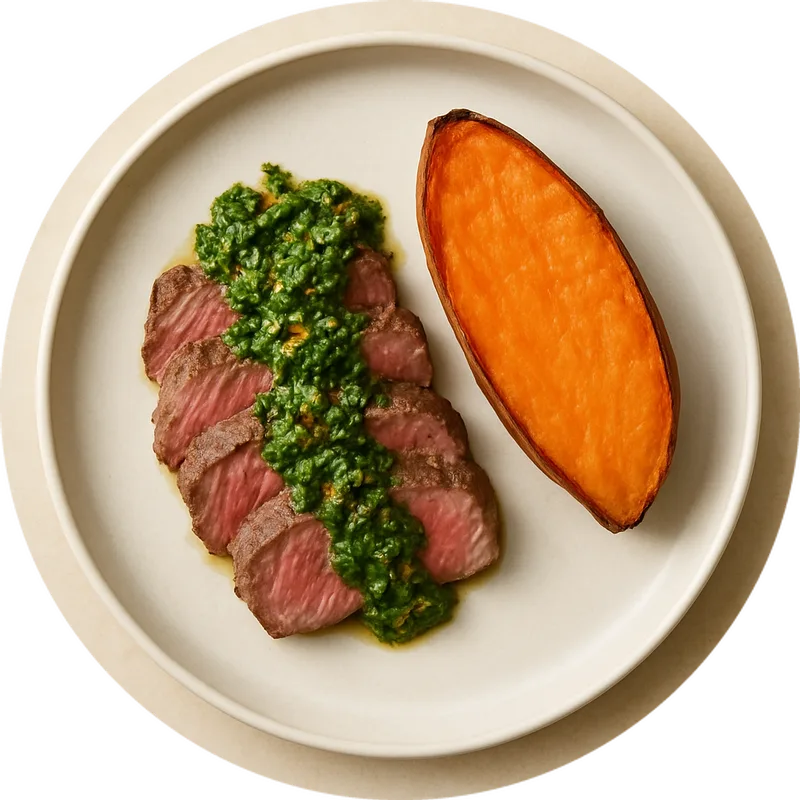
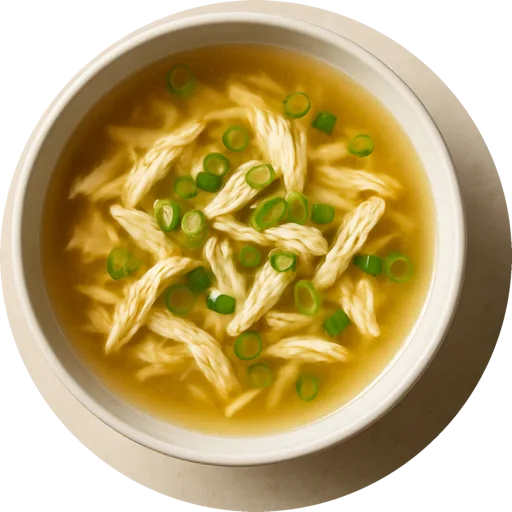
Start with the protein, then add the sides. Reduced appetite makes enough protein hard to reach, so the advisory suggests eating protein-rich foods first in a meal.1 A plate like honey soy salmon and broccoli has 41 grams of protein in 420 calories. Here are three more from the Post Dose recipe library that carry 39 to 46 grams each:
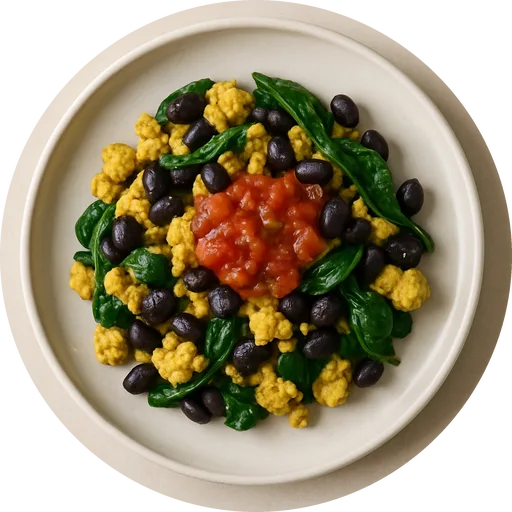
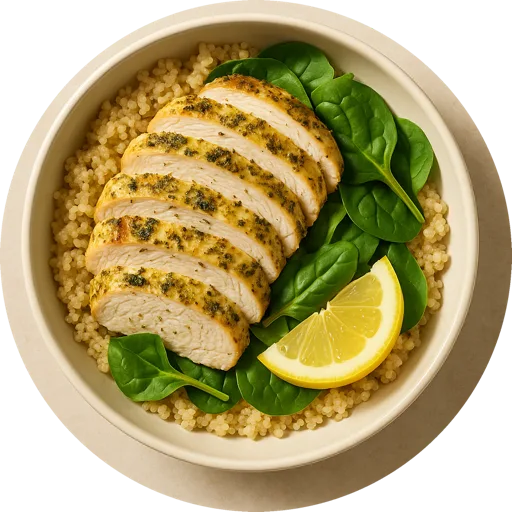
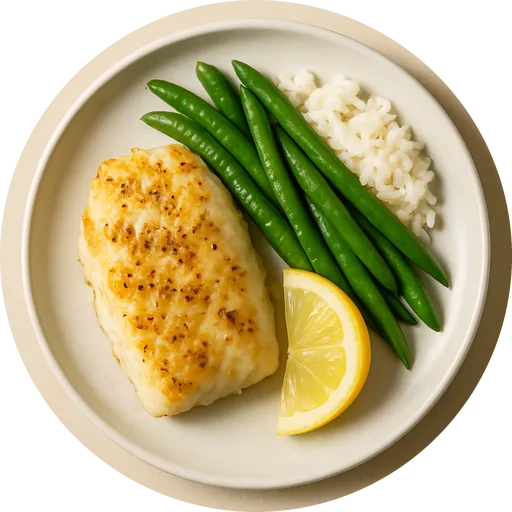
These three, one for each meal, add up to 130 grams without a shake.
The bottom line
Yes, you lose some lean mass on a GLP-1, about a quarter to 38% of the weight lost in the body-scan studies, and less of that is muscle. People who lose weight without the medicine lose lean mass too. Eat enough protein, add strength training with your clinician's okay, and ask your prescriber or a registered dietitian to tailor the plan. You can work out your protein range with the protein calculator.
Questions people ask
Do Ozempic and Wegovy cause muscle loss?
Weight loss on semaglutide includes some lean mass, as nearly all large weight loss does. In the STEP 1 body-scan group, 38% of the weight lost was lean mass, and the 2025 advisory estimates that about 20% of the total was muscle. Lean mass includes more than muscle, so the muscle share is smaller than the lean share.
Is Zepbound or Mounjaro worse for muscle than semaglutide?
These studies cannot say. In the SURMOUNT-1 body scans about 26% of the weight lost on tirzepatide was lean mass, versus 38% in the STEP 1 scans, but the trials used different people, scanners and time spans. A pooled review found that both medicines took off the most weight and ranked among the least effective at preserving lean mass.
Can I prevent muscle loss on a GLP-1?
Not completely, but some steps may help. The SURMOUNT-1 authors note that some lean mass loss is expected with large weight loss, and that nutrition and physical activity may reduce it. The 2025 advisory points to enough protein and strength training at least three times a week. Your prescriber or a registered dietitian can fit this to you.
Do older adults lose more muscle on a GLP-1?
The studies do not show a bigger lean share in older adults, but the older groups were small. In SURMOUNT-1, tirzepatide was not tied to a proportionally greater loss of lean tissue in people 65 and over. Muscle matters more with age, though, and the advisory lists older age among the factors that raise sarcopenia risk when protein intake drops.
Sources
- Mozaffarian D, et al. Nutritional priorities to support GLP-1 therapy for obesity: a joint advisory from the American College of Lifestyle Medicine, the American Society for Nutrition, the Obesity Medicine Association and The Obesity Society. Obesity, 2025. doi.org/10.1002/oby.24336
- Look M, et al. Body composition changes during weight reduction with tirzepatide in the SURMOUNT-1 study of adults with obesity or overweight. Diabetes, Obesity and Metabolism, 2025. doi.org/10.1111/dom.16275
- Karakasis P, et al. Effect of glucagon-like peptide-1 receptor agonists and co-agonists on body composition: systematic review and network meta-analysis. Metabolism, 2025. doi.org/10.1016/j.metabol.2024.156113
- Tinsley GM, Heymsfield SB. Fundamental body composition principles provide context for fat-free and skeletal muscle loss with GLP-1 RA treatments. Journal of the Endocrine Society, 2024. doi.org/10.1210/jendso/bvae164
- Wilding JPH, et al. Impact of semaglutide on body composition in adults with overweight or obesity: exploratory analysis of the STEP 1 study. Journal of the Endocrine Society, 2021 (conference abstract). doi.org/10.1210/jendso/bvab048.030
- Villareal DT, et al. Weight loss, exercise, or both and physical function in obese older adults. New England Journal of Medicine, 2011. doi.org/10.1056/NEJMoa1008234
- Wilding JPH, et al. Once-weekly semaglutide in adults with overweight or obesity (STEP 1). New England Journal of Medicine, 2021. doi.org/10.1056/NEJMoa2032183
- Jastreboff AM, et al. Tirzepatide once weekly for the treatment of obesity (SURMOUNT-1). New England Journal of Medicine, 2022. doi.org/10.1056/NEJMoa2206038
- Cruz-Jentoft AJ, et al. Sarcopenia: revised European consensus on definition and diagnosis. Age and Ageing, 2019. doi.org/10.1093/ageing/afy169
Post Dose is a meal planner, not medical advice. Your prescriber sets your dose and your plan. Talk to them or a registered dietitian before you change how you eat.