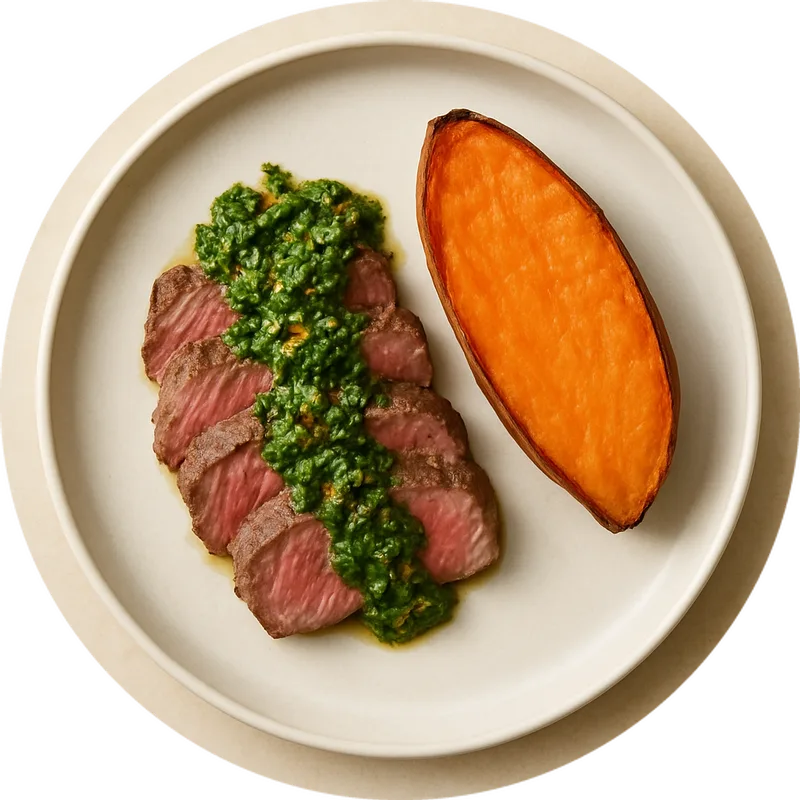
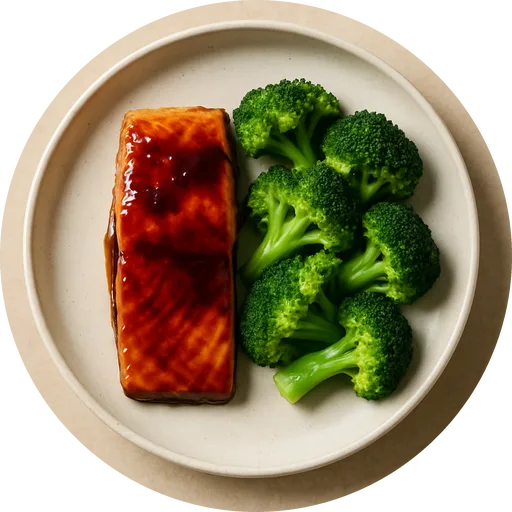
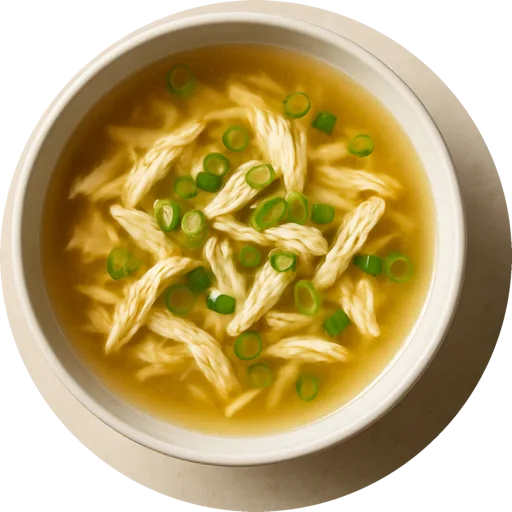
What to eat on a GLP-1: a simple guide for Ozempic, Wegovy, Zepbound and Mounjaro
The short answer
Eat small meals about every 3 to 4 hours, start each plate with the protein, and aim for roughly 80 to 120 grams of protein a day.1 Lean on gentle, protein-rich foods like yogurt, eggs, fish, chicken and soup. Go easy on big, fatty or fried meals and refined carbs, drink fluids through the day, and ask your prescriber about fiber, iron, calcium and vitamin D.
Why does eating change on a GLP-1?
GLP-1 medicines turn down hunger and make you feel full sooner. That is true for semaglutide (Ozempic, Wegovy) and tirzepatide (Mounjaro, Zepbound) alike. In the obesity trials, people on these medicines took in 16% to 39% fewer calories than people on a placebo, because of changes in cravings, hunger and fullness.1 Studies also show less food preoccupation, the "food noise" many people talk about.1
The medicines also slow how fast food leaves your stomach.35 That is why a heavy meal can feel like it just sits there.
Two things follow. First, small portions are normal, not a problem to fix. Second, with so little food coming in, every bite has to count. Nausea (25% to 44% in the obesity trials) and constipation (17% to 24%) are the common stomach side effects. They tend to show up when treatment starts or a dose goes up, and to ease over time.1 This guide covers what to put on the smaller plate you now have. It does not replace advice from your prescriber.
What should my plate look like when I am barely hungry?
Start with protein, then vegetables, then carbs, and keep the plate small. Protein goes first because it is the part you can least afford to skip. The 2025 joint advisory says eating protein-rich foods first in a meal makes it more likely you will get enough.1 Vegetables come next for fiber and vitamins. Carbs like rice, potatoes or bread go last, so if you fill up early, the part you leave behind is the easiest to lose. Only the protein-first step comes from the advisory. The rest is a simple habit, not a rule from a trial.
Keep the day spread out, too. Vomiting is more likely with large meals.1 Nausea often shows up in the morning or after a long gap without eating, and skipping meals because of nausea can make the nausea worse.1 The advisory suggests a small breakfast, then small meals about every 3 to 4 hours, with fluids.1 On days when nothing sounds good, small and often is a better bet than one big dinner.
How much protein do I need on a GLP-1?
For most adults, about 80 to 120 grams a day, or 1.2 to 1.6 grams per kilogram of body weight while you are actively losing weight.1 The everyday recommendation for adults is 0.8 grams per kilogram, so this is a step up.1 The advisory adds that a flat target of 80 to 120 grams may be easier to stick to.1
Why bother? The weight you lose on these medicines is not all fat. In a body scan substudy of 160 people from the tirzepatide trial SURMOUNT-1, about 75% of the weight lost was fat and about 25% was lean mass, which includes muscle. The split was similar for people on placebo.2 In STEP 1, the semaglutide trial, lean mass made up about 38% of the loss.1 Protein and strength training are the two tools the advisory leans on to protect muscle. It suggests strength training at least three times a week, plus at least 150 minutes of moderate activity.1
Grams per kilogram takes math, so use the protein calculator to get your own range. The full walkthrough, including why to use your goal weight, is in how much protein you need on a GLP-1.
What foods work well on a GLP-1?
Foods that pack a lot of protein into a few bites, and that are easy on your stomach. The advisory encourages beans, peas, lentils, dairy, seafood, eggs and lean poultry, with red and processed meats kept to a minimum.1 It also notes that smoothies and protein drinks, cottage cheese and soups are often more appealing than heavier foods like red meat, cold cuts or hard cheese.1 Cleveland Clinic points to fruits, vegetables, lean protein and whole grains, and puts protein and fiber at the top of its list.3
In plain terms, build your plates from these:
- Dairy and eggs: Greek yogurt, cottage cheese, eggs.
- Fish and poultry: chicken breast, turkey, salmon, cod, shrimp, tuna.
- Beans and tofu: white beans, chickpeas, lentils, tofu, edamame.
- Soups, smoothies and warm bowls: liquid and soft food is easier to get down when nothing sounds good.
- Fruit, vegetables and whole grains: for fiber, vitamins and variety.
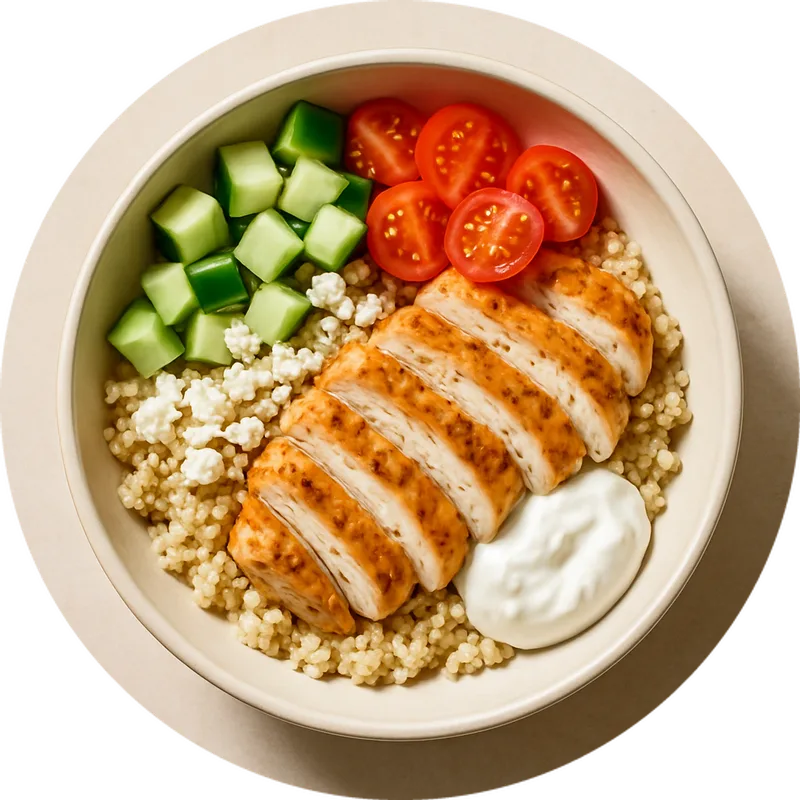
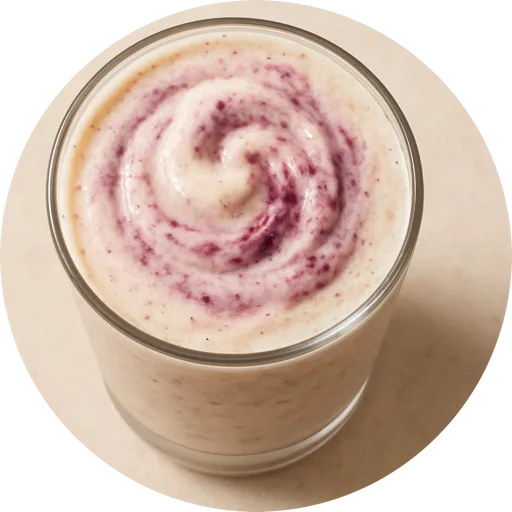
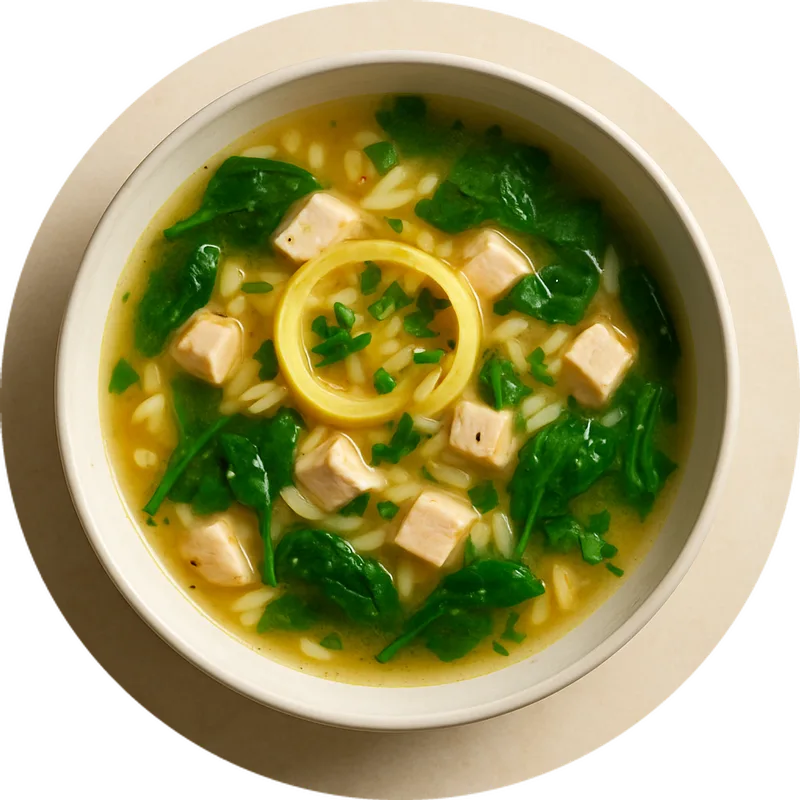
Here are three examples. Each is tagged gentle in the Post Dose recipe library: the Greek Chicken Bowl has 48 grams of protein, the Vanilla-Berry Protein Smoothie has 37 grams, and the Lemon Chicken Orzo Soup has 49 grams.
What foods tend to cause trouble on a GLP-1?
Big meals, greasy or fried food, very spicy food, sugary drinks and sweets, refined carbs and alcohol. Cleveland Clinic explains that food stays in your stomach longer on a GLP-1, so spicy and high-fat foods can add to stomach side effects. Its list to limit includes juice, soda, candy and desserts, white bread, crackers and white rice, packaged snacks, high-fat foods like pizza and fried chicken, and spicy foods like hot sauce.3
The advisory agrees. It tells people to avoid refined carbohydrates, sugar-sweetened drinks, red and processed meats, most fast food, and ultraprocessed sweets and savory snacks.1 For diarrhea, it says avoiding large or high-fat meals can help.1 It also says alcohol can worsen nausea and reflux and should be kept to a minimum.1
None of this is a ban. The advisory lists portion-controlled treats among the habits to encourage, and Cleveland Clinic says it can take time to learn what triggers symptoms for you.13 Keep a note of what sits badly. The full list, with the reasons, is in foods to avoid on a GLP-1.
How much should I drink, and what about fiber?
Sip fluids through the day, and add fiber slowly. Nausea, vomiting and diarrhea can cost you fluid. The Zepbound label tells patients it is important to drink fluids to lower the chance of dehydration, and to call their provider right away if nausea, vomiting or diarrhea does not go away.5 The advisory adds that dehydration from severe symptoms can cause acute kidney injury.1 Ginger or peppermint tea can help with nausea.1 No source gives a magic number of cups, so ask your prescriber what is right for you.
Constipation is common with weight loss, and the advisory says to manage it early, with enough fluids and fiber from food.1 Cleveland Clinic says fiber can help with constipation from a GLP-1.3 Raise fiber gradually. The advisory names prunes and other dried fruits as helpful, and it suggests avoiding fatty or high-fiber foods during the first few days of treatment if nausea is a problem.1 Beans, oats, berries and vegetables are good long-term sources once your stomach settles.
Which nutrients are easy to miss on a GLP-1?
Fiber, iron, calcium, magnesium, zinc, vitamin D, B12 and more.4 When you eat 16% to 39% less, vitamin and mineral intake can fall with it, especially below about 1,200 calories a day for females or 1,800 for males.1 The advisory lists iron, calcium, magnesium, zinc and vitamins A, D, E, K, B1, B12 and C as nutrients of concern.1 Signs of a real shortage include tiredness beyond what you expected, a lot of hair loss, itchy or flaky skin, muscle weakness, slow wound healing and unusual bruising. Tell your prescriber if you notice them.1
A small 2025 study of 69 adults on GLP-1 medicines points the same way. Their three-day food records showed average intakes below the recommended amounts for fiber (about 14.5 grams a day), calcium, iron, magnesium, potassium and vitamins A, C, D and E.4 The authors work for a supplement company that funded the work, and the study only captured three days of self-reported eating, so treat it as a clue, not a verdict.
The advisory's fix is food first: a mix of fruits, vegetables, whole grains, beans, lean protein, nuts and seeds.1 It also says supplements can be considered for at-risk nutrients like vitamin D, calcium and B12, tailored to the person.1 Whether you need one is a question for your prescriber or a registered dietitian.
What does a day of eating on a GLP-1 look like?
For a goal weight near 170 pounds (about 77 kg), 1.2 to 1.6 grams per kilogram works out to roughly 90 to 125 grams of protein. Here is one gentle, low-fat day from the Post Dose recipes, using the real numbers from each recipe.
| Meal | Recipe | Protein | Calories | Fiber |
|---|---|---|---|---|
| Breakfast | Blueberry-Almond Protein Oats | 31 g | 400 | 7 g |
| Lunch | Lemon Herb Chicken & Quinoa Bowl | 45 g | 420 | 5 g |
| Dinner | Spanish Cod and Potato Stew | 39 g | 415 | 6 g |
| Day total | 115 g | 1,235 | 18 g |
That is 115 grams of protein from three plates, with no shakes. A yogurt, a piece of fruit or a handful of nuts between meals fits easily if you have room. Treat this as a shape, not a prescription: your calorie needs are your own. If you are eating far below 1,200 calories (females) or 1,800 (males) for days at a time, tell your prescriber or a registered dietitian.1
The bottom line
On a GLP-1, make the smaller amount you eat count. Start each plate with protein, then vegetables, then carbs. Eat small meals every few hours, drink fluids through the day, and add fiber slowly. Choose gentle, protein-rich foods, go easy on big, greasy or sugary ones, and pay attention to iron, calcium, vitamin D and B12. Check your protein number with the protein calculator, and take food questions that depend on your health, your dose or your symptoms to your prescriber or a registered dietitian.
Questions people ask
What should I eat on shot day or the day after?
Keep it small, mild and easy: soup, yogurt, cottage cheese, eggs, a smoothie, or plain chicken or fish with a little soft cooked vegetable. Skip greasy, fried and very spicy food, since high-fat and spicy foods are the ones Cleveland Clinic ties to worse stomach side effects. Eat small meals through the day instead of waiting until you are starving. If nausea, vomiting or diarrhea does not go away, call your prescriber.
How do I get my protein in when nothing sounds good?
Eat the protein part of your plate first, and pick foods that carry a lot in a few bites: Greek yogurt, cottage cheese, eggs, fish, chicken and tofu. The 2025 advisory notes that smoothies, protein drinks, cottage cheese and soups are often more appealing than heavy foods when your appetite is low. Small meals about every 3 to 4 hours can work better than three big ones when your appetite is low.
Do I need a multivitamin on a GLP-1?
That is a question for your prescriber or a registered dietitian. The 2025 joint advisory says supplements can be considered for at-risk nutrients such as vitamin D, calcium and B12, at amounts tailored to each person. Because you eat less, getting more nutrients from every meal matters either way.
Can I still eat sweets or fast food on a GLP-1?
Nothing is banned, but some foods cost you more than they used to. Greasy fast food, fried food, sugary drinks and sweets are the ones the advisory and Cleveland Clinic say to limit. The advisory also lists portion-controlled treats among the habits to encourage, so a small serving of something you love is easier on your stomach and your plan than a full one.
Is it normal to have almost no appetite on a GLP-1?
Yes. These medicines lower appetite on purpose, and in trials people ate 16% to 39% fewer calories than people on a placebo. The risk is that protein, fiber and vitamins get squeezed out along with the extra food. If you are skipping meals because of nausea or cannot keep fluids down, tell your prescriber.
Sources
- Mozaffarian D, et al. Nutritional priorities to support GLP-1 therapy for obesity: a joint advisory from the American College of Lifestyle Medicine, the American Society for Nutrition, the Obesity Medicine Association and The Obesity Society. Obesity, 2025. doi.org/10.1002/oby.24336
- Look M, et al. Body composition changes during weight reduction with tirzepatide in the SURMOUNT-1 study of adults with obesity or overweight. Diabetes, Obesity and Metabolism, 2025. doi.org/10.1111/dom.16275
- Cleveland Clinic. GLP-1 Diet: What To Eat & Avoid. my.clevelandclinic.org/watch/glp-1-diet
- Johnson B, et al. Investigating nutrient intake during use of glucagon-like peptide-1 receptor agonist: a cross-sectional study. Frontiers in Nutrition, 2025. doi.org/10.3389/fnut.2025.1566498
- Eli Lilly and Company. Zepbound (tirzepatide) prescribing information and patient information, DailyMed (U.S. National Library of Medicine). dailymed.nlm.nih.gov/dailymed/drugInfo.cfm?setid=487cd7e7-434c-4925-99fa-aa80b1cc776b
Post Dose is a meal planner, not medical advice. Your prescriber sets your dose and your plan. Talk to them or a registered dietitian before you change how you eat.